
What Training for a Marathon Taught Me About Recovery
Since December last year, I’ve been training for my first marathon, and it’s been a genuinely eye-opening experience. I always believed that progress comes from pushing harder each session, and that consistency in doing so leads to improved strength and fitness.
I found quite the opposite. You don’t improve from pushing harder but instead you improve from how well you recover.

Too Much, Too Soon
Like many first-time runners, I fell into the trap of ignoring my training plan and doing too much, too soon. Even on days scheduled for easy runs, I’d push as hard as I could or go the extra mile (quite literally). Before long, I’d developed shin splints and runner’s knee, setting my training back by a full month.
To make things worse, I kept up my weekly 2–4 hours of tennis on rest days, because I love the sport and didn’t want to give it up. The result? My legs were constantly tight and tired, and eventually they burned out completely.
More ≠ Better
Looking back, I’d been increasing my running frequency and intensity without equally increasing my focus on recovery, nutrition, and listening to my body. The greater the strain you place on your body, the more investment recovery requires proper sleep, good nutrition, and genuine rest days aren’t optional extras, they’re part of the training.
This principle applies directly to chiropractic care too. Healing isn’t just about what happens in the clinic but it’s about what you do in between. Giving your body the right nutrients, adequate rest, and the space to adapt is what allows real progress to happen.

Listen to Your Body, The Plan Isn’t Fixed
I’m someone who likes to follow a plan to the letter. The problem is that training plans are written for ideal circumstances, and life rarely cooperates. Some days you’ll feel like Eliud Kipchoge (world’s fastest marathoner). Other days you’ll feel like packing it all in. Both are normal.
The same is true for recovery from injury. Progress isn’t linear, there are good days and setbacks, and learning to adjust rather than push through is a skill in itself. Scaling back on a tough day isn’t weakness; it’s how you stay consistent long enough to actually get better.
The Cycle Most People Get Stuck In
This is something I see clinically, time and again. Someone comes in with pain, starts to feel better, does too much too soon, and ends up back where they started, or worse. That twinge you feel isn’t always something to push through. Often, it’s your body asking for a little more time.
If you’ve recently struggled to walk comfortably, don’t head out for a long walk the moment it feels better. If sitting for 15 minutes was a challenge a couple of weeks ago, working up to an hour gradually is far smarter than jumping straight to it. Build endurance progressively and give your body the time it needs to adapt.
The Bottom Line
Whether you’re training for a marathon or recovering from an injury, the principle is the same: consistency and smart recovery will always outperform heroic effort followed by forced rest.
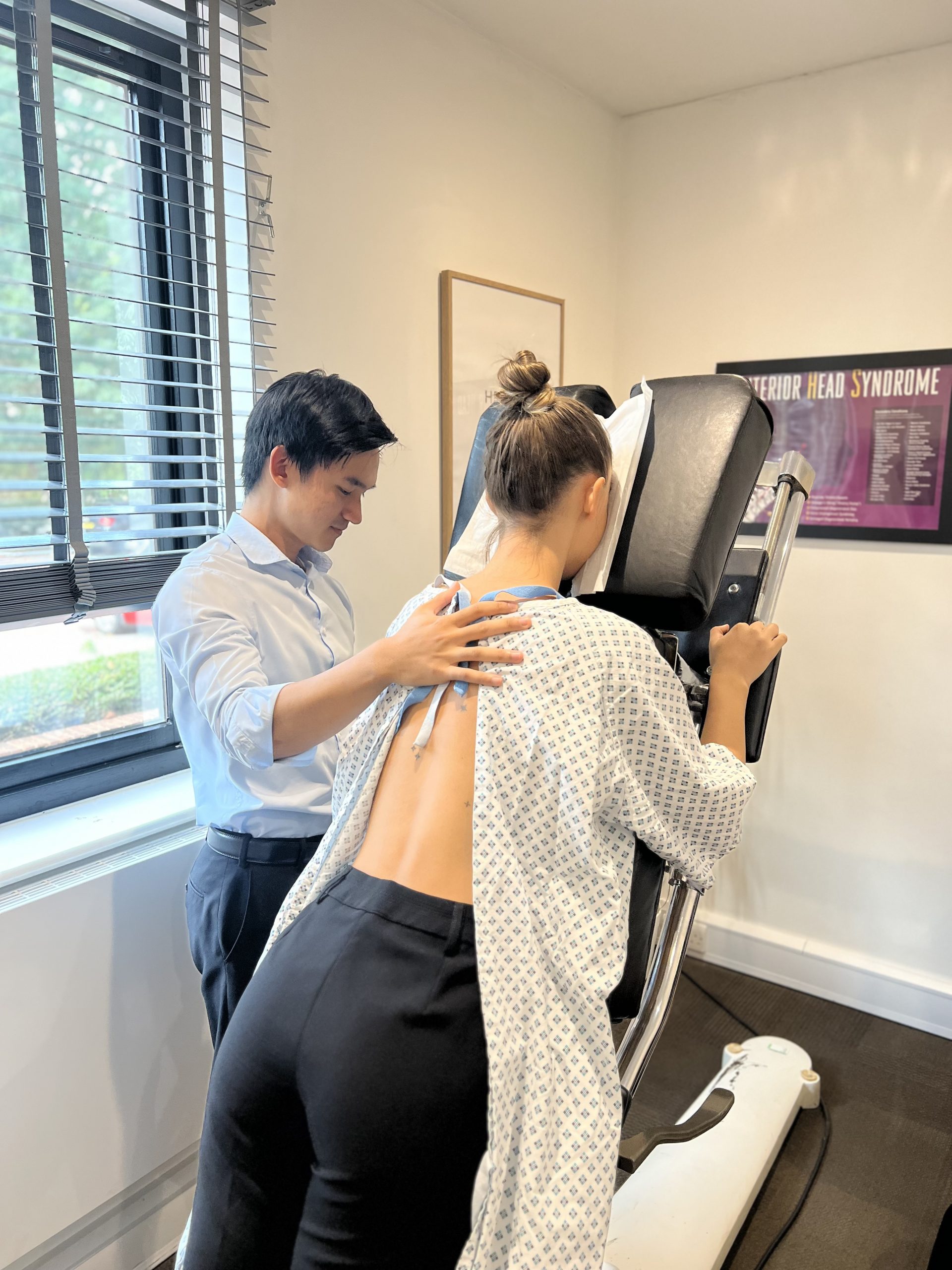
If you’re stuck in the cycle of feeling better, overdoing it, and flaring up again, I can help you build back gradually and recover with more confidence. Feel free to get in touch to book an appointment.
