
How Chiropractic Can Help with Hypermobility Clients
Hypermobility means that some joints move beyond the typical range expected for that joint. For some people, this extra movement causes no problems. For others, it can lead to pain, fatigue, recurring strains, instability, headaches, back pain, neck pain, or a feeling that the body is constantly having to “work harder” to stay supported.
For clients with symptomatic hypermobility, the goal is not to make the joints more flexible. In fact, many hypermobile clients already have more mobility than they can comfortably control. The main aim is usually to improve stability, reduce strain, support better movement patterns, and help the client feel stronger and more confident in their body.

Why Hypermobility Can Cause Pain
When joints move too much, the surrounding muscles, tendons, ligaments, and nervous system often have to compensate. This can create muscle tightness, recurring aches, fatigue, and a higher risk of irritation around the spine or other joints.
A client may feel “stiff” even though they are technically very flexible. This happens because their muscles are “guarding” to protect unstable areas.
How Chiropractic Care May Help
The Clinical Approach
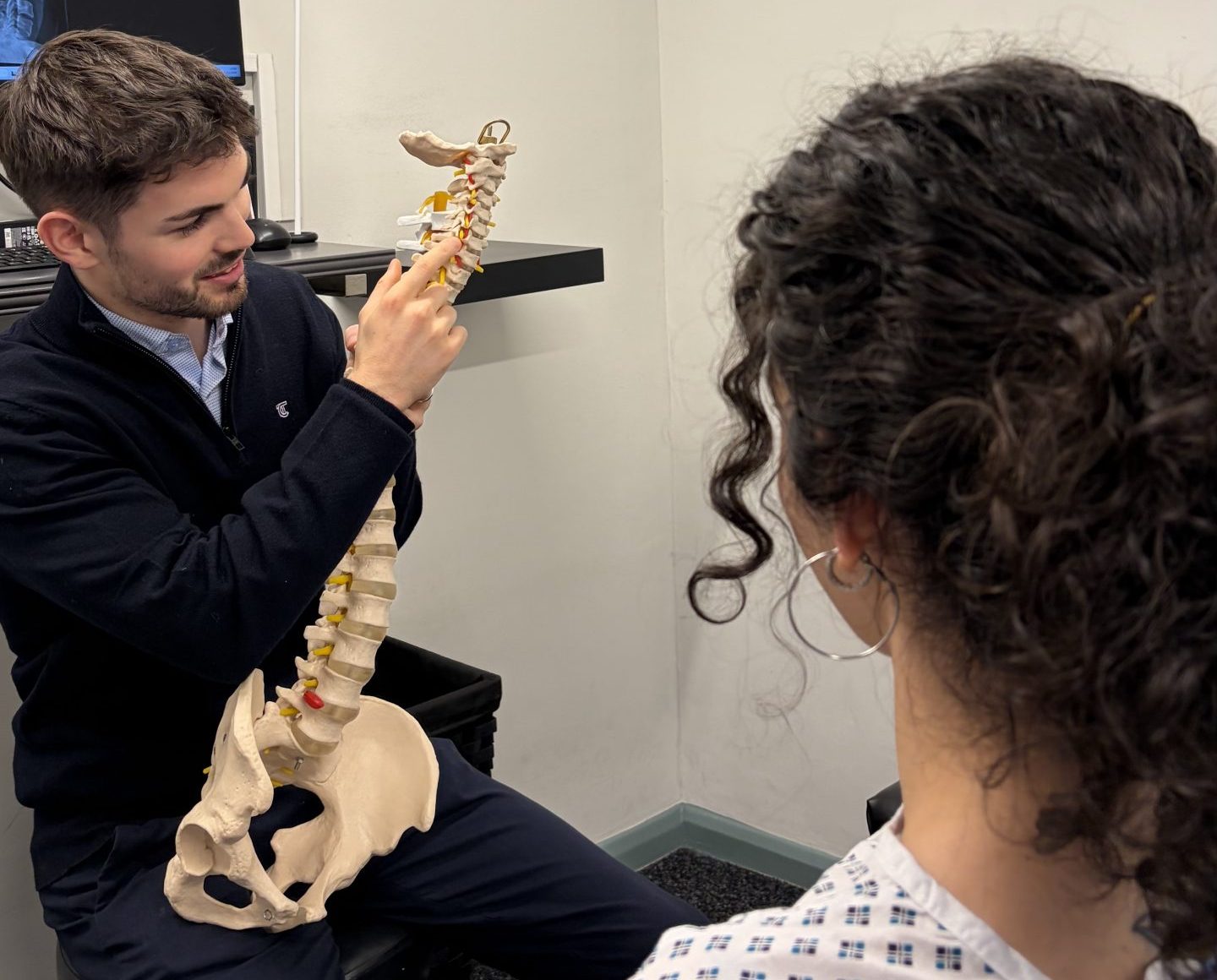
Chiropractic care for hypermobility should be thoughtful, gentle, and individualised. It is not about forcing movement into already-mobile joints. Instead, care focuses on identifying which areas are moving too much, which areas are restricted, and how the body is compensating.
The most important principle is that hypermobile clients often need stability before mobility. That means care must be adapted to the person, rather than using a one-size-fits-all approach.
What a Chiropractor Does
A chiropractor may help by:
-
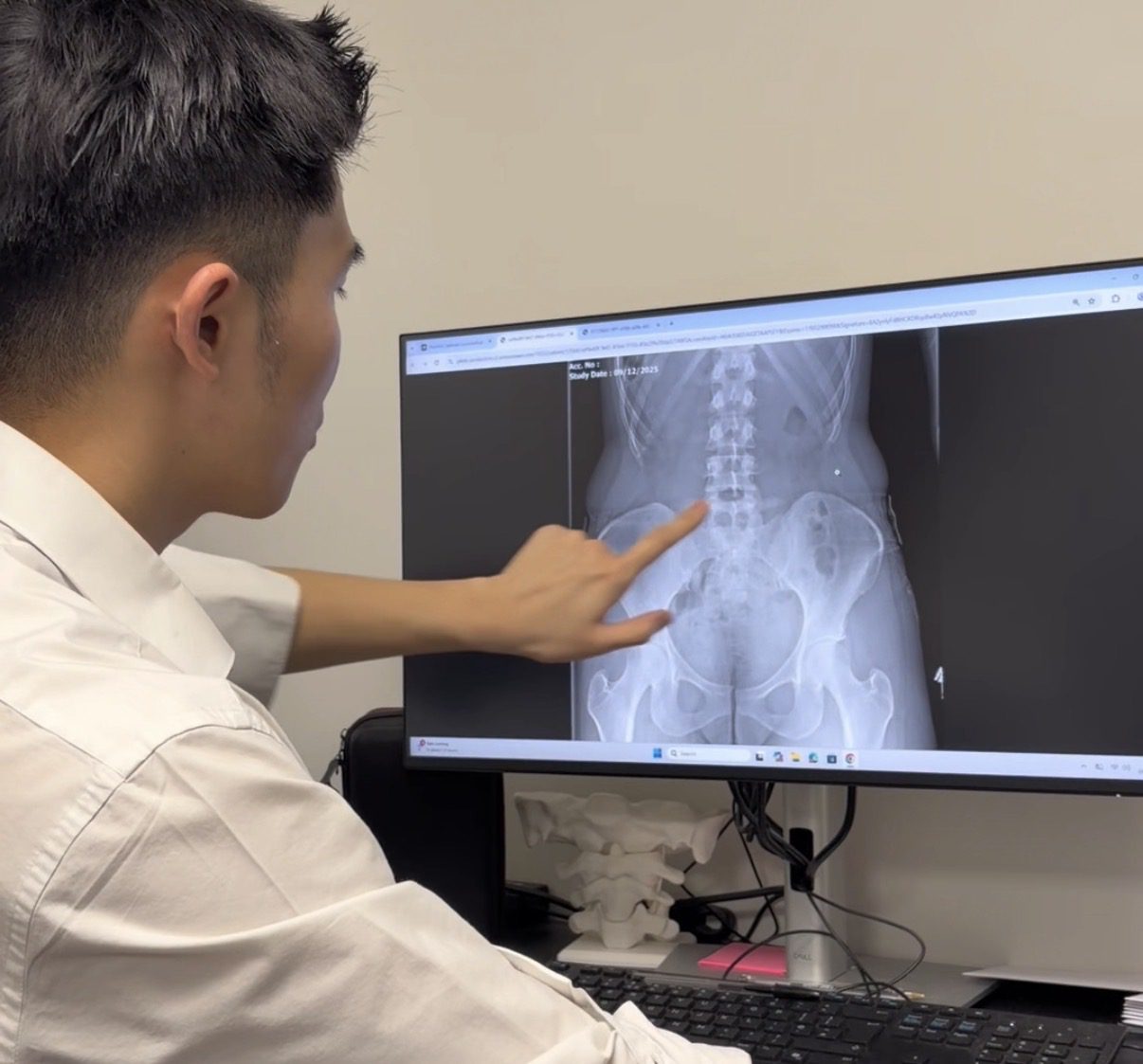
Assessing posture, joint control, spinal movement, and areas of overload.
-
Improving movement patterns and body awareness.
-
Supporting spinal and joint function.
-
Advising on strengthening, stability, and pacing.
-
Helping clients understand how to avoid repeated irritation or flare-ups.
What the Research Shows
A 2014 case report published in the Journal of Chiropractic Medicine looked at multimodal chiropractic care for a 23-year-old woman diagnosed with benign joint hypermobility syndrome. This particular client experienced chronic low back pain, neck pain, and headaches, alongside hypermobility in areas including her thumbs, elbows, right knee, and lower back region.
The care plan involved spinal and extremity manipulation. In total, she was checked 15 times over an 18-week period, ultimately showing clinically important improvements in both low back disability and headache disability.
This study does not suggest that chiropractic “cures” hypermobility. Because it is a single case report, it cannot prove that the same results will happen for everyone. However, it does show that a combined approach using chiropractic adjustments, soft tissue work, stability exercises, and movement retraining may help some hypermobility clients manage pain and improve function.
Tailoring Care for Hypermobile Bodies
For hypermobility clients, care should be precise and cautious. Some joints may already move too much, so aggressive or excessive manipulation may not be appropriate for every client or every area of the body.
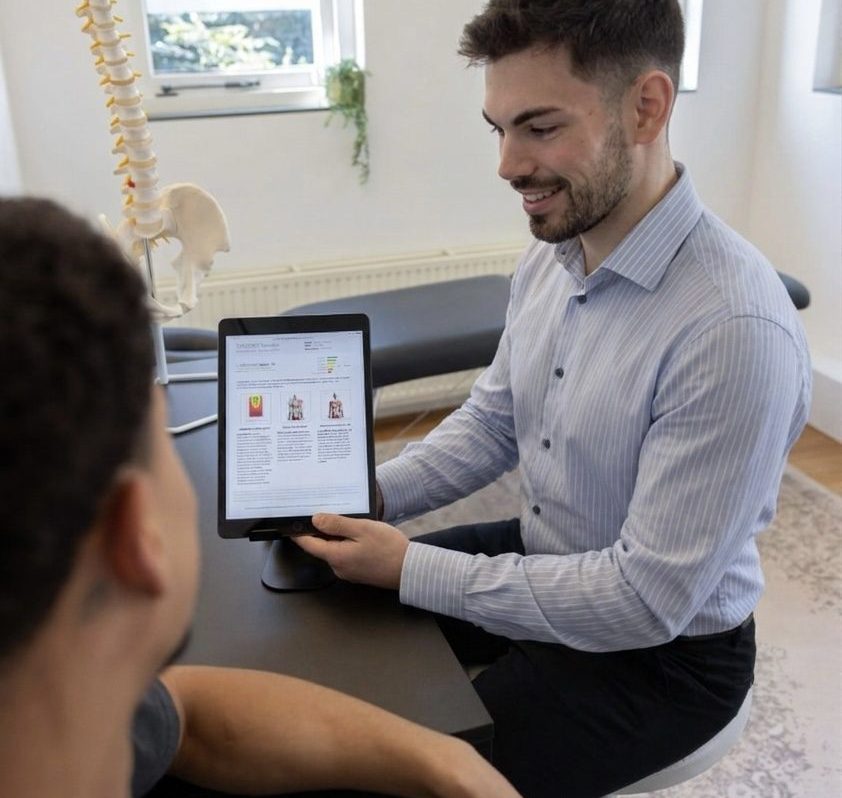
A chiropractor working with hypermobility will consider the client’s history, symptoms, flare-up patterns, previous injuries, and any diagnoses such as hypermobile Ehlers-Danlos syndrome (hEDS) or other connective tissue disorders.
A supportive management plan may include:
-
Gentle chiropractic adjustments where appropriate
-
Strengthening exercises around unstable joints
-
Core and scapular stability work
-
Advice on posture and daily movement habits
-
Pacing strategies to avoid “boom-and-bust” flare-ups
-
Guidance on exercises that build control rather than flexibility
The NHS also recommends gentle exercise, supportive footwear, maintaining a healthy weight, and avoiding activities that worsen symptoms or place unnecessary strain on hypermobile joints.
When to Seek Professional Help
You may benefit from an assessment if you are hypermobile and experience:
-
Recurring pain or frequent sprains
-
Joint clicking accompanied by pain
-
Feelings of joint instability or weakness
-
Repeated flare-ups, headaches, back pain, or neck pain
-
Difficulty exercising without discomfort
It is also important to seek medical advice from your GP if you experience frequent dislocations, unexplained bruising, dizziness, fainting, severe fatigue, unusual scarring, or a suspected connective tissue disorder. Hypermobility exists on a wide spectrum, and some clients require support from a wider healthcare team.
Final Thoughts
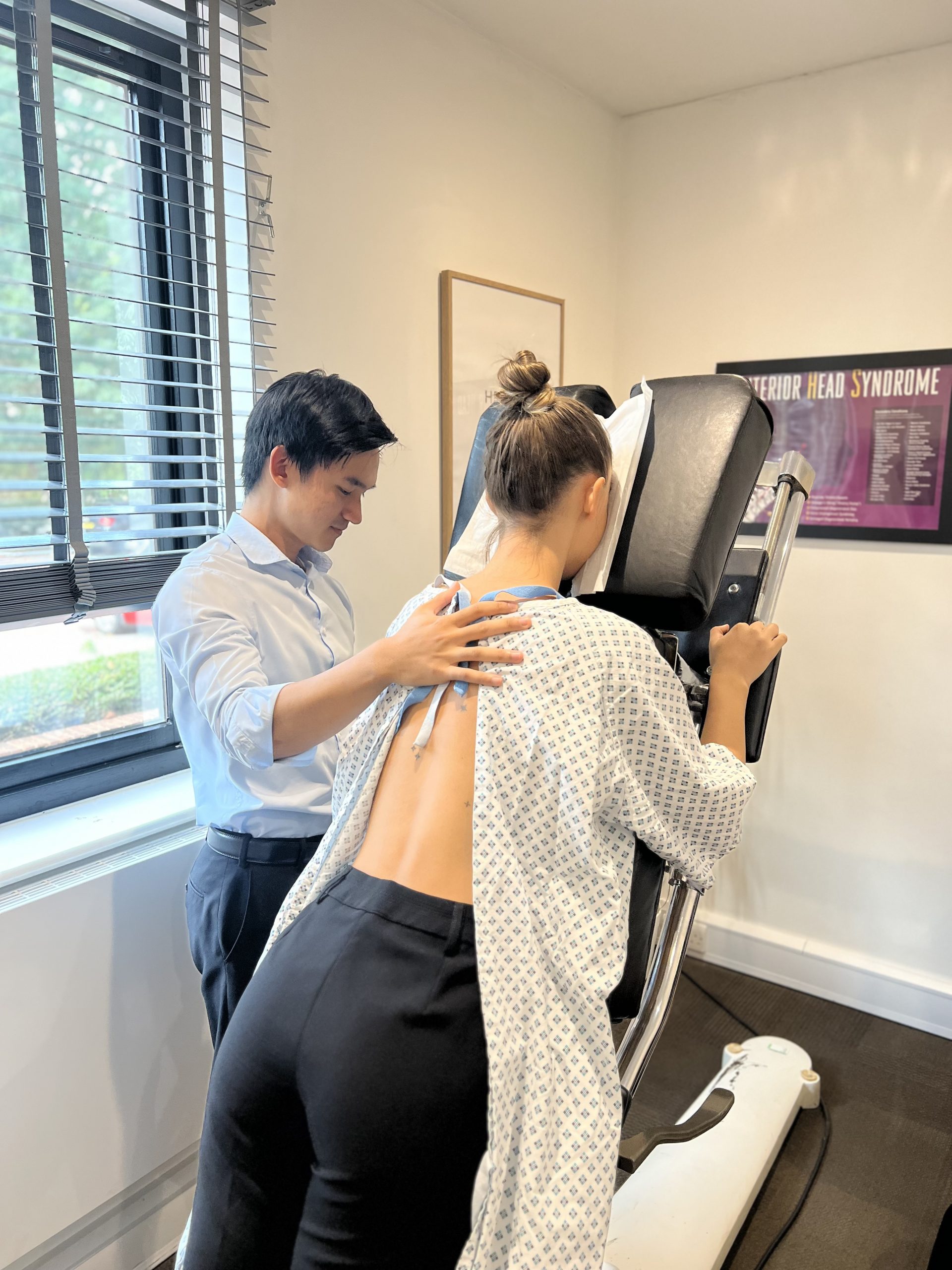
Chiropractic care may help hypermobility clients when it is delivered as part of a careful, individualised, and stability-focused plan. The aim is not to make flexible joints even more mobile, but to improve control, reduce unnecessary strain, and support better overall function.
The available research, including the 2014 case report, suggests that some clients with hypermobility-related pain may find relief with chiropractic care that combines targeted adjustments, soft tissue techniques, stabilisation exercises, and movement retraining. However, because the wider evidence remains limited, care should always be tailored to the individual client and approached with appropriate clinical caution.
Reference:
- Strunk RG, Pfefer MT, Dube D. Multimodal chiropractic care of pain and disability for a patient diagnosed with benign joint hypermobility syndrome: a case report. J Chiropr Med. 2014 Mar;13(1):35-42. doi: 10.1016/j.jcm.2014.01.009. PMID: 24711783; PMCID: PMC3976499.
