
Modern life keeps many people sitting for hours each day, at a desk, in the car, or on the sofa. While it may seem harmless, prolonged sitting can place significant stress on the spine and surrounding muscles. Over time, inactivity weakens the body’s natural support system, increasing the risk of back pain, stiffness, poor posture, and long-term spinal problems.
At TOPCHIRO, we often see how sedentary lifestyles contribute to spinal discomfort and reduced mobility. Research continues to show a strong connection between prolonged sitting, spinal disc pressure, muscle fatigue, and postural strain.

Why Sitting Too Much Is Harmful to the Spine
Your spine is designed for movement. When the body remains seated for long periods, the muscles that stabilise the spine become less active, while pressure builds in the lower back and spinal discs.
A 2024 systematic review published in the Journal of Bodywork and Movement Therapies found that static sitting positions contribute to increased lumbar disc pressure, dehydration of spinal discs, and reduced disc height over time (Pearse et al., 2024). Research has also shown that sitting may increase spinal disc pressure by up to 90 per cent compared with standing.
Long periods of sitting can also lead to:
-
Tight hip flexors
- Weak gluteal muscles
- Reduced blood circulation to spinal tissues
- Poor posture
- Increased tension in the neck and upper back
How Poor Posture Contributes to Back Pain
Sedentary jobs often encourage poor posture, particularly forward head positioning and slouched shoulders. Over time, this posture alters the spine’s natural S-shaped curve, placing excess stress on muscles, ligaments, and discs.
Research published in Applied Ergonomics in 2024 found that prolonged seated work contributes to lumbar stiffness and discomfort, while movement-based sitting strategies may help reduce fatigue during desk work (Davidson et al., 2024).
The Importance of Regular Movement
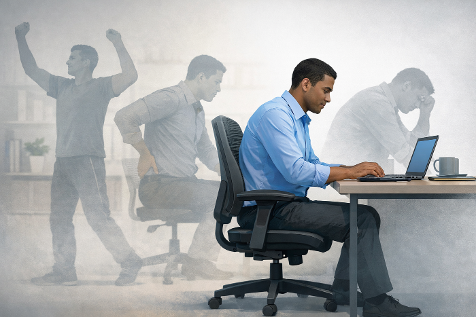
Movement is one of the most effective ways to support spinal health. Regular activity improves circulation, strengthens stabilising muscles, and reduces pressure on the spinal discs.
Recent studies show that even short movement breaks throughout the day can improve blood flow, reduce muscle fatigue, and help offset some of the effects of prolonged sitting. Health experts from Harvard Health and Cleveland Clinic both recommend standing, stretching, or walking regularly throughout the day to reduce spinal stress and muscular tension.
Simple changes throughout the day can make a significant difference
Take Regular Stretch Breaks
Standing up every 30 to 60 minutes helps relieve pressure on the spine and reduces muscle fatigue. Gentle stretching can improve flexibility and reduce stiffness in the hips, back, and shoulders.
Go for Short Walks
Brief walks during the day encourage movement, improve posture, and activate muscles that become inactive while sitting.
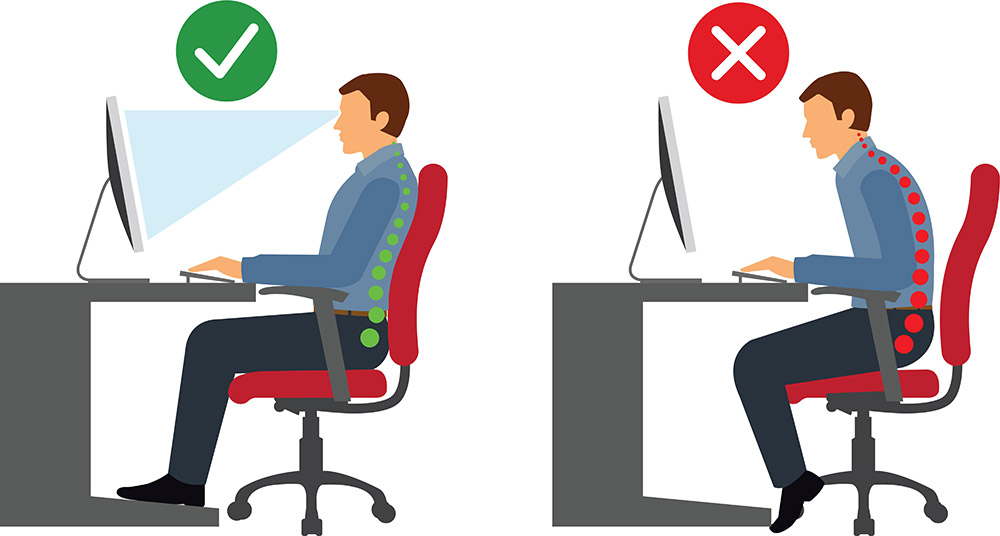
Improve Your Workstation Ergonomics for better posture:
• Keep elbows at a relaxed 90-degree angle
• Place feet flat on the floor
• Use a supportive chair with lumbar support
• Alternate between sitting and standing if possible
When to Seek Professional Care
You should consider professional evaluation if you experience:
- Pain lasting longer than three weeks
- Numbness or tingling in the legs
- Difficulty standing or walking
- Limited mobility
- Recurring neck or back pain interfering with daily life
At our clinic we focus on identifying the underlying cause of spinal discomfort and creating personalised care plans to restore mobility and reduce pain.
Protect Your Spine From the Effects of Sedentary Living
Prolonged sitting has become a modern health challenge with measurable effects on spinal health. Increased disc pressure, muscle imbalance, poor posture, and reduced movement can all contribute to back and neck pain. Current clinical research continues to support the importance of movement, ergonomic support, and early intervention for preventing chronic spinal conditions.
The good news is that regular movement, ergonomic improvements, strengthening exercises, and chiropractic care can significantly reduce these risks. By making small but consistent changes to your daily routine, you can support your spinal health, improve posture, and maintain long-term mobility and comfort.
If sitting-related back or neck pain is affecting your quality of life, we can help you find the right care and recovery plan.
Paris Georgiadis Mchiro
References
- Davidson, J.M., Zehr, J.D., Dominelli, P.B. and Callaghan, J.P. (2024). Traditional versus dynamic sitting: Lumbar spine kinematics and pain during computer work and activity guided tasks. Applied Ergonomics, 119, pp.104310–104310. doi:https://doi.org/10.1016/j.apergo.2024.104310.
- NHS (2021). Exercise. [online] NHS. Available at: https://www.nhs.uk/live-well/exercise/.
- Pearse, S., Léger, M., Albert, W.J. and Cardoso, M. (2024). Active workstations: A literature review on workplace sitting. Journal of bodywork and movement therapies, 38, pp.406–416. doi:https://doi.org/10.1016/j.jbmt.2024.01.001.
- Renan Luiz Zanola, Donin, C.B., Flor, R. and Azevedo, B. (2024). Biomechanical repercussion of sitting posture on lumbar intervertebral discs: A systematic review. Journal of Bodywork and Movement Therapies, 38, pp.384–390. doi:https://doi.org/10.1016/j.jbmt.2024.01.018.
